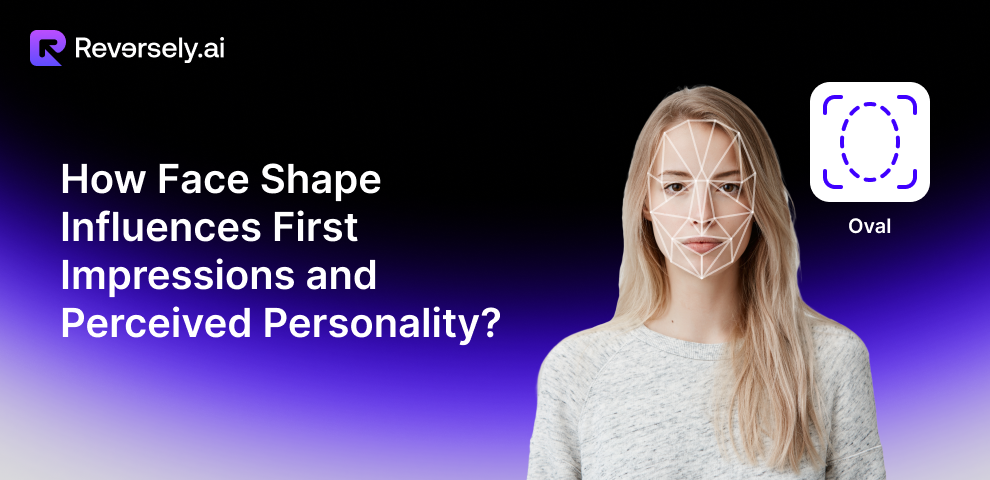
Why do you like some people right away while others make you feel unsure? Your face shape might be the answer.
People with round faces seem friendly and kind. Those with sharp features appear strong or serious. These quick thoughts happen before anyone speaks.
The interesting part is that these first ideas are often wrong. But they still change important parts of our lives. Job meetings, first dates, and court cases can all be affected by how our faces look.
Our minds learned this habit long ago to quickly decide if someone was safe or dangerous. Today, this same reaction still affects how we meet and talk with new people every day.
So this blog post will show you how face shapes create these instant judgments and what you can do about them.
What Each Face Shape Says About You?
Your face shape can actually say a lot about you from how you carry yourself to how people feel around you. It’s not a hard rule, of course, but some patterns are just too interesting to ignore.
Round Face
People with round faces usually win when it comes to being easy to approach. There is something about those soft curves that makes others feel good right away.
What people think about you:
- You are a great listener who really cares
- You are happy and make others feel calm
- You are caring and give good support
- You avoid fights and like peace
The downside: Sometimes you might get passed over for boss jobs because round faces can seem less powerful. But here is the thing: some of the most successful company leaders have round faces. They just learned to mix their natural warmth with strong body language.
Square Face
That strong jawline says confidence and trust. People with square faces often find themselves naturally falling into leader roles because others think they can handle pressure.
First thoughts you create:
- Strong-minded and firm
- Practical and realistic
- Can be trusted in tough times
- Natural problem solver
The flip side is that sometimes people might find you a bit rude before getting to know you. A real smile can work wonders in making that first thought softer.
Heart Shape
Heart-shaped faces bring their own special energy. That wider forehead paired with a delicate chin often gets associated with creativity and intelligence.
What others notice about you:
- Good at showing feelings and understanding others
- Creative with artistic sides
- Great at talking and telling stories
- Excited about your interests
People might see you as the type who gets happy when talking about something you love. Heart-shaped faces often have very active features that are great for showing emotion.
Diamond Face
Diamond face shapes are not common, which makes them easy to remember. The mix of narrow forehead and chin with strong cheekbones creates a striking look.
Quick thoughts you make:
- Detail-oriented and precise
- Confident and charismatic
- Goal-focused and ambitious
- Intellectually sharp
If you have a diamond-shaped face, people probably think you know what you want and go after it with sharp focus.
Long Face
Long faces often get seen as the smart ones of the group. Maybe it is because the longer shape suggests maturity and thoughtfulness.
How people read you:
- Analytical and logical
- Good at planning and organisation
- Serious and focused on long-term goals
- Reliable for complex projects
People with longer faces often find others coming to them for advice or thinking they are natural planners.
What does this actually mean for your daily life?
Knowing how your face shape affects first impressions isn’t about changing who you are … it’s about understanding the playing field.
If you have angular features (square, diamond):
- You might need to consciously warm up your approach in casual settings
- Smiling more often can make you seem more approachable
- Your natural authority gives you an edge in professional situations
If you have softer features (round, heart):
- You may need to speak up more assertively in business meetings
- Your approachability is a huge asset in networking and team building
- Practice confident body language to balance your gentle appearance
If you have balanced features (oval, rectangle):
- You have the flexibility to adapt your presentation to different situations
- Your neutral starting point lets your personality shine through
- You can lean into either warmth or authority as needed
How to Find Your Face Shape?
Not sure what your face shape is? Modern face shape detection technology can analyse your features and provide clear identification within seconds. This technological assistance helps you understand the immediate impression you create and adjust your approach accordingly.
Steps to detect:
The process is quite easy, just follow these quick steps:
- Access the Face Shape Detector
- Upload Your Photo
- Press “Detect” Button to initiate the process
- Get instant results
Once you identify your face shape, you gain insight into others’ initial reactions and can modify your presentation strategy. No more wondering about those first-moment responses.
Wrong Ideas About Face Shapes
Some people believe wrong things about face shapes, such as
- Face shape decides your real personality
It’s really not true. Your face shape only affects how others see you at first. Your real personality comes from what you do.
- You cannot change how people see you
This stance is quite false. You can change how you present yourself through clothes and actions.
- Some face shapes are better
Absolutely not. Each face shape has good points. Success comes from knowing your look and using it well.
- Everyone sees face shapes the same way
Nope! Different places see face shapes differently.
The Real Truth About First Impressions
Here’s the most important part: these first impressions are just that, first impressions. They’re not the ultimate destiny.
Your actual personality, behaviour, and character matter far more than your bone structure in the long run. The person with the gentle, round face might be incredibly tough when it counts. The square-jawed individual might be the most sensitive person in the room.
Capping Off:
Understanding facial perception psychology increases self-awareness and helps recognise unconscious biases in how we judge others. This recognition enables more conscious interaction choices and better professional relationships. Your face shape serves as your story’s opening chapter, not the entire narrative.
Use this knowledge strategically while remembering that genuine connection and professional competence always surpass any surface-level first impression. The goal involves becoming your most effective self while embracing the natural advantages your facial structure provides in various social and professional contexts.