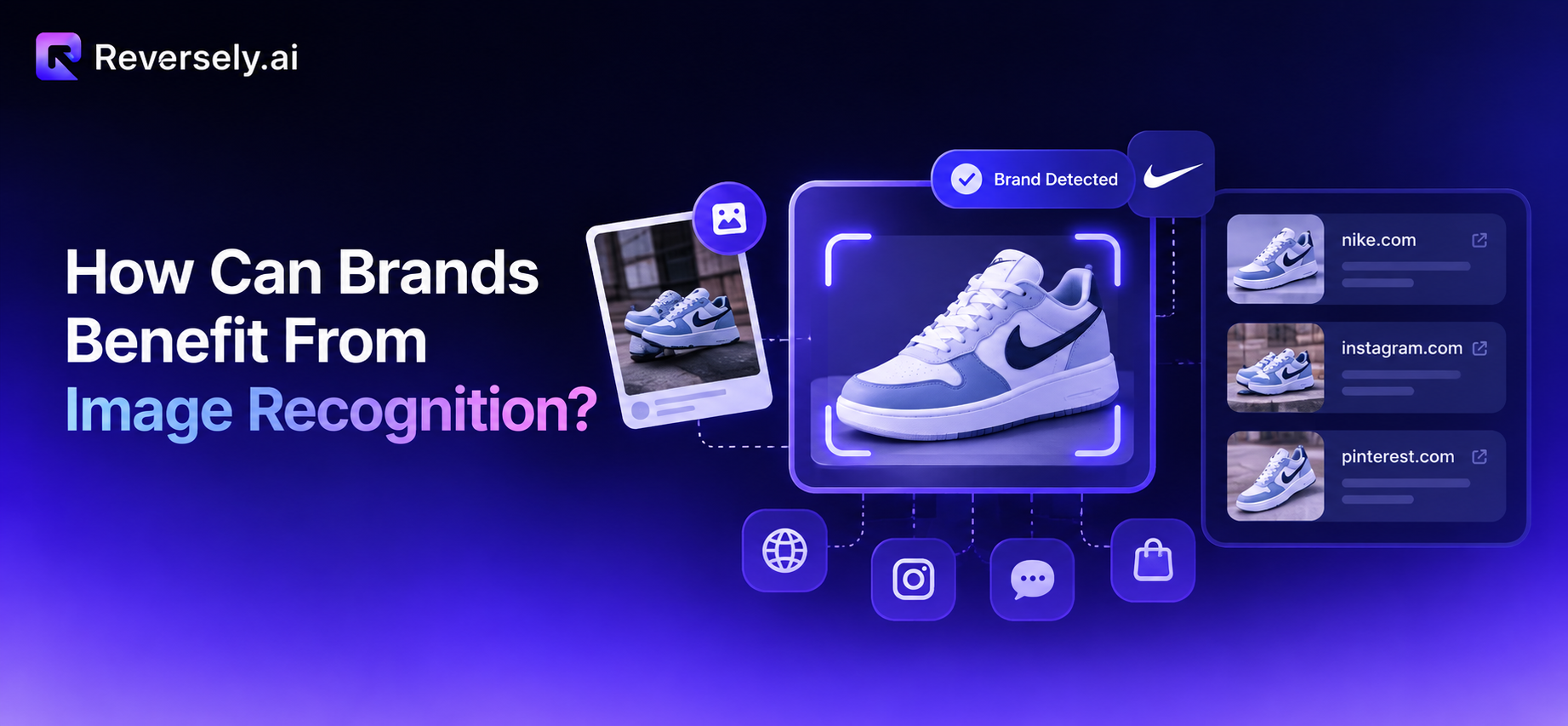
A brand needs different technologies and tools to succeed. Image recognition is one of them. Unfortunately, many brand owners undermine the importance of this revolutionary technology. As a result, they face many problems and fall behind their competitors.
Are you curious where you need this particular technology? Customers share product pictures, event visitors upload snapshots, and news outlets publish images every day. Yet many businesses never see most of that visual exposure.
Image recognition helps solve that problem. The technology identifies objects, logos, products, and scenes within digital images. As a result, brands can then study visual content at scale instead of relying only on text. That capability opens several opportunities. Let’s learn about them!
How Can Brands Benefit From Image Recognition?
Monitor Brand Images
Many customers share photos online. These photos contain products or logos without mentioning the company in text. For instance, a person may post a picture from a store, an event, or a restaurant while leaving out any brand reference. Traditional monitoring often misses those visual mentions entirely.
Businesses can use AI reverse image search to discover where their product images and branded visuals appear across websites, social platforms, forums, marketplaces, and online publications. This helps teams uncover untagged brand mentions, track unauthorized image use, and better understand how their brand appears across public online spaces.
Measure Sponsorship Impact
Sponsorship value often extends far beyond direct mentions and event reports.
The following reasons explain why brands should measure it through images:
- Evaluate logo exposure levels.
- Compare visibility across events.
- Identify audience engagement patterns.
- Assess placement quality.
- Support investment decisions.
Image recognition scans photos and videos to detect sponsored brand visuals. It includes logos, products, and promotional assets. This helps you record where those elements appear. Additionally, you can analyze how frequently audiences encounter them. This information provides a stronger view of sponsorship performance and helps brands assess results using visual evidence rather than assumptions.
Detect Logo Misuse
Knowing where your company’s logo is used is always essential. Sometimes, scammers steal logos and other brand visuals. Then, they create a counterfeit online store. You can never neglect them. If you do so, the scammers will ruin your company’s reputation.
You know what the best way to locate your logo’s misuse is? It’s image recognition. With the help of a modern reverse image search tool using advanced image recognition technology, you can quickly spot all the platforms misusing your logos. It can help you find fake online stores and social media pages. Once you find them, take action immediately and alert your audience as well.
Track Competitor Visibility
Visual monitoring provides valuable insight into competitor presence across digital channels.
The following points show why competitor tracking through images remains useful:
- Compare brand exposure rates.
- Identify emerging market shifts.
- Observe retail display activity.
- Monitor campaign visibility.
- Understand audience attention trends.
Image recognition detects competitor logos, products, and promotional materials across large image collections. Businesses can compare visual presence across channels, locations, and events. These findings reveal market activity. You cannot find such things using other technologies. Once you find them, you can design your marketing strategies accordingly and target a broader audience.
Personalize Customer Experiences
Customer expectations continue to change. Many people prefer experiences that reflect their interests rather than generic messages. Visual data can help brands understand those interests from a different angle.
Image recognition analyzes the products, environments, and objects that appear in customer images. Businesses can identify common preferences and build audience groups based on observed visual behavior. The process adds useful context to existing customer data.
Remember, better personalization does not always require complicated systems. Sometimes a clearer understanding of customer preferences makes the difference. Visual insights help brands recommend relevant products, improve communication, and create experiences that feel more meaningful to different audiences.
Identify Market Trends
Sometimes, your brand visuals fail to catch people’s attention. It usually happens when you don’t follow the trends. As a brand owner, you should follow visual trends. It helps you make your product photos and other brand visuals more attractive and engaging. Ignoring them can hinder your growth.
Now the question is, how can image recognition help you with it? For that, you need to search by image for either your brand visuals or your competitors. When you search by an image, the image search tool shows you similar visuals across different platforms. Analyze those images and check audience engagement on them. This simple habit can help you learn a lot about modern trends and improve your visual content strategy.
Conclusion
Useful business insights do not always come from reports, surveys, or written feedback. Many appear in photos that customers, publishers, and event attendees share every day. Those images can highlight brand exposure, product usage, and changing customer preferences. Image recognition helps businesses bring that information into view.